




Here is the translation of the article into English, with all HTML tags and image source codes preserved as they appeared in the original.
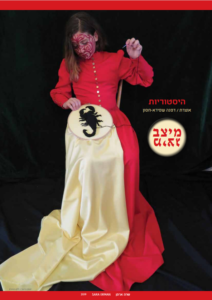
Curator: Dafna Shapira-Hasson
Participating Artists:
Yasmine Bergner, Batya Hashkin, Shunit Gal, Sivan Zarifi, Anati Toker, Ayelet Tarlovsky, Mirei Shanan, Bell Shapir, Dafna Shapira-Hasson.
Sara Arman Gallery, Tel Aviv 2019
“We curate memories in our bodies, we curate passion and heartbreak. We curate joy, moments of celestial peace. If we want to have access to them, if we want to move into them and through them, we must enter into our bodies… Our body tells stories.”
The Right to Write / Julia Cameron
“The ‘Histories: Installation/Performance’ exhibition refers to the concept of ‘history’—literally translated from English as ‘His-story’—but in its feminist reversal to ‘Herstory,’ meaning a personal female perspective on history as a personal story.
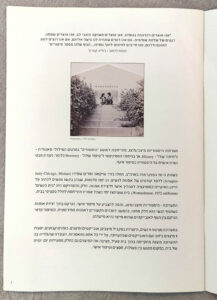
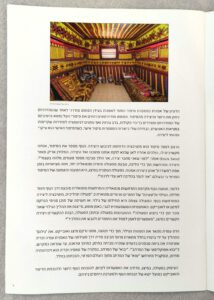
In the early 1970s in the United States, Judy Chicago and Miriam Schapiro began teaching art courses for women. They initiated workshops where they asked women to write about their personal lives as motivation for a personal process and for creating art. Part of the project was ‘WomanHouse’ (1972, California), a house they renovated together, with each artist addressing a specific space in the house.
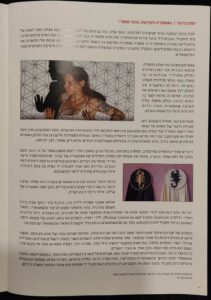
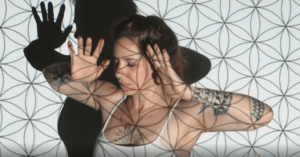
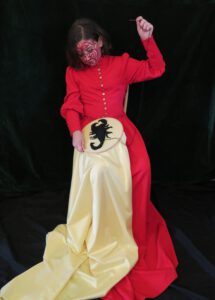
The ‘Histories: Installation/Performance’ exhibition attempts to point to a personal story woven within a work of art when the female body is a part of it, as a continuation of contents related to feminist art, and as a private story woven between the body and the objects it produces (she produces).
In the exhibition, 9 women present installations, objects, and performances simultaneously. At scheduled times, 9 performances will take place in relation to and with the objects in the exhibition, performed by each of the artists. The fact that the gallery where the exhibition is presented exists within an active home places the performances as part of the daily activity of a house, as a meeting place between actions, objects, and a personal story.”
From the exhibition text:
Text and Curatorship: Dafna Shapira-Hasson



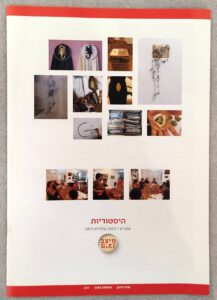
To download the full catalog:
Design: Shunit Gal