Fresh Updates

Sunday, 26 July, 2026
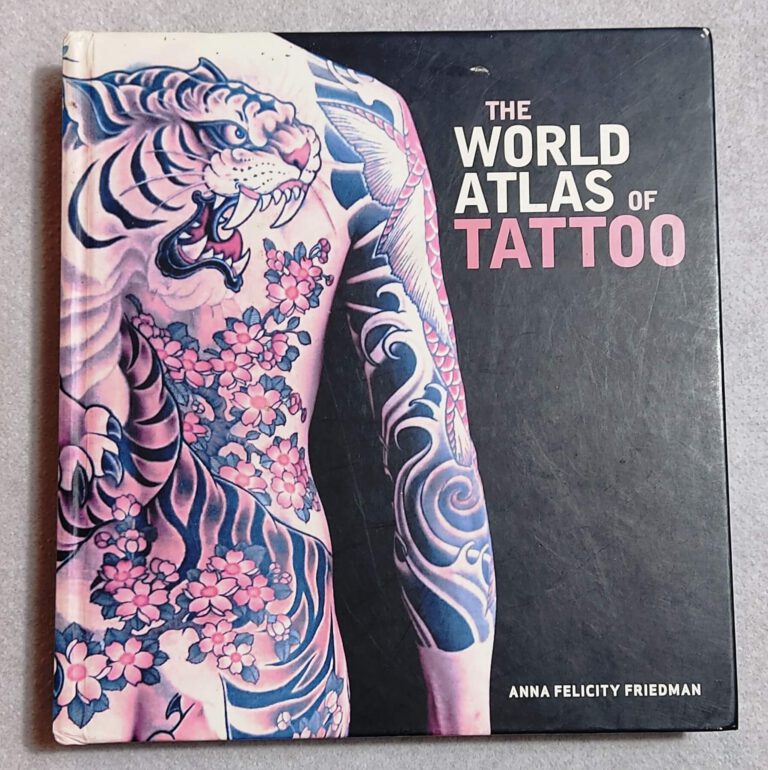
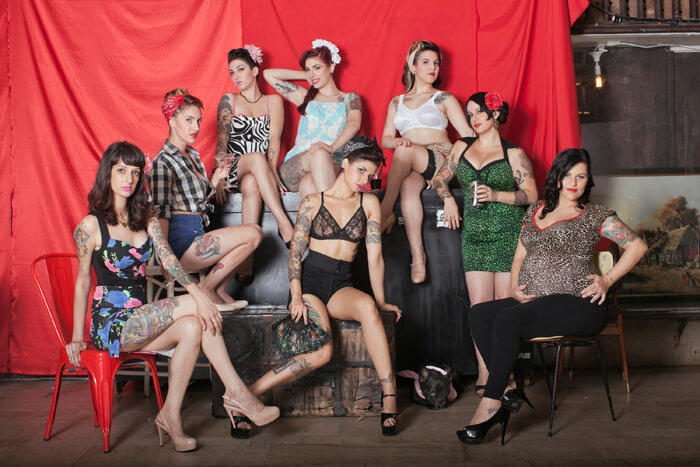
Contemporary tattoo art connects different and even opposing geographical cultures, trends, and artistic languages. The tattooed body in the 21st century makes virtuoso use of art history.
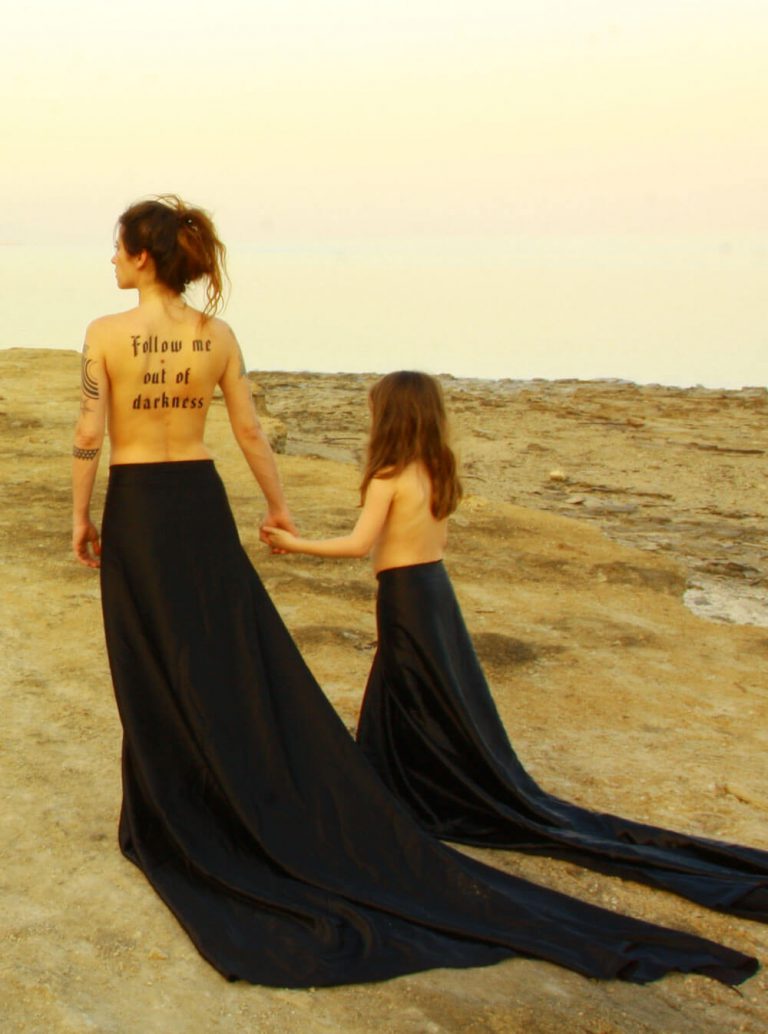
The maternal wound is the intergenerational wound that is passed from mother to daughter throughout history, as part of life in patriarchal cultures…
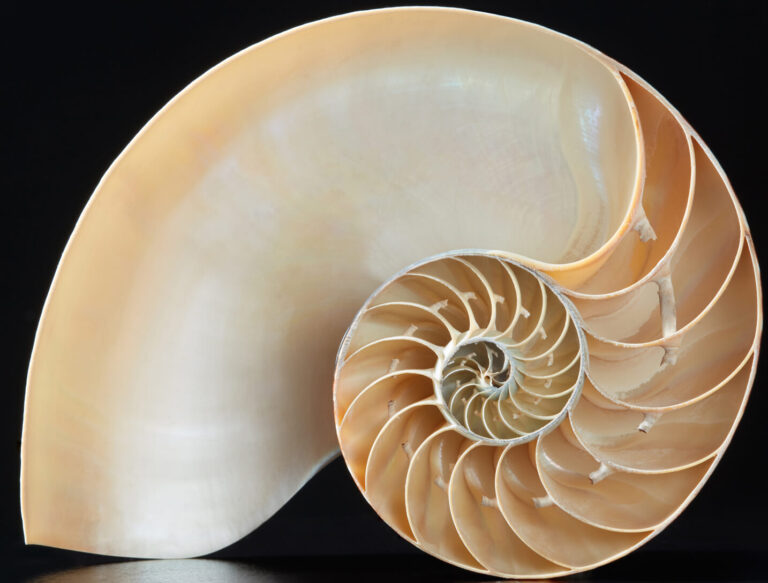
Everything that emerges and comes into existence is formed through patterns on both biological and mental geometries…
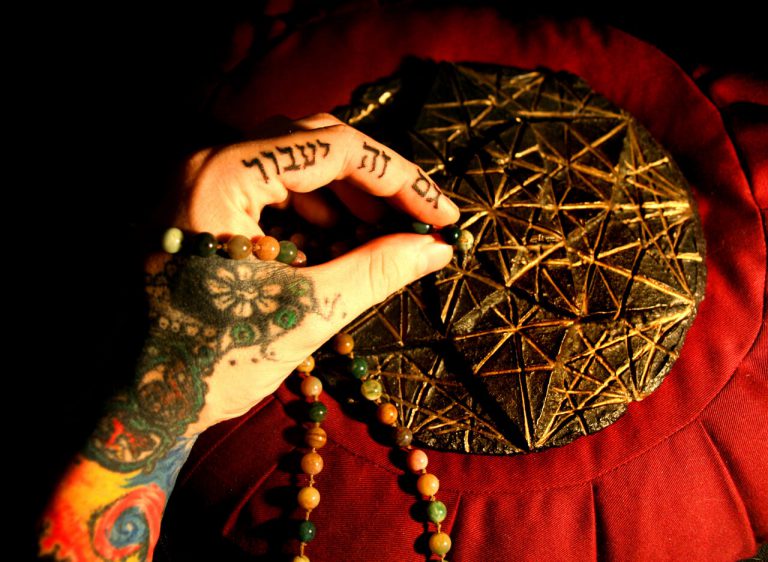
In the first part of the article, we talked about a new technology being developed in the Ramin lab. Last year, the first version of the ARK resonance technology from the Ramin lab was released: lab-grown crystals that can be worn on the body. The crystals are designed and structured in a geometric way that creates a molecular structure that has the ability to resonate with the quantum field. This wearable technology creates a harmonic synchronization with the unified field and enhances the efficiency
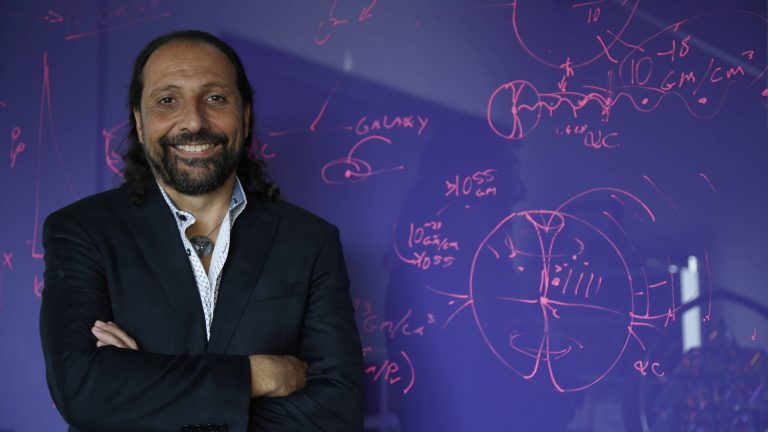
“Modern science’s refusal to search for a higher order is slowing down the development of humanity and severely damaging the ecosystems on which we depend to survive and thrive. The implications and applications of the connected worldview provide us with a clear vision of our capabilities to evolve. Humanity is moving in this direction, but we must reach our destination in time and advanced technology must emerge as soon as possible.”
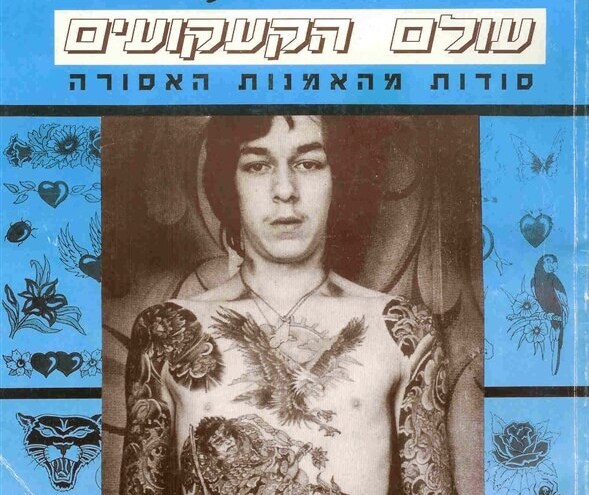
In recent years, we have witnessed an exciting process of tattoo revival in our region, albeit belatedly. Why is the tattoo renaissance coming to Israel about two decades late compared to the US, Europe, and the rest of the world?
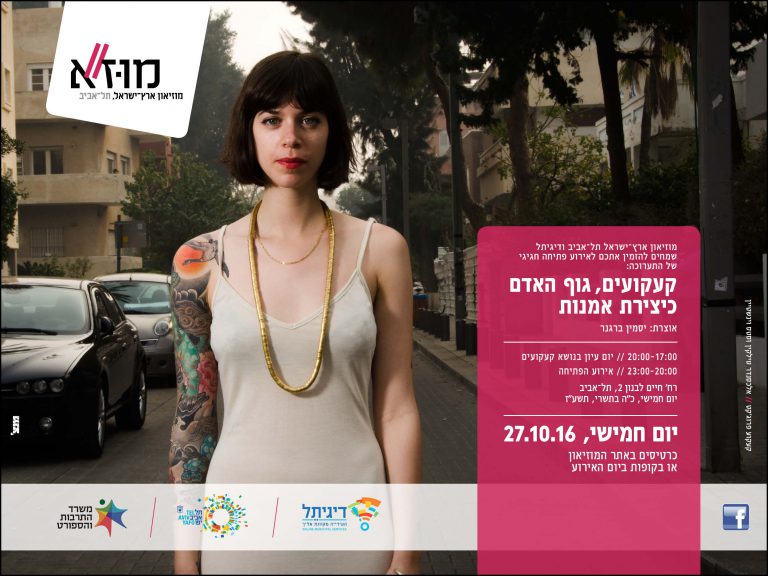
A new social trend is currently emerging that warmly embraces the tattoo genre and recognizes its importance. The Tattoos exhibition presents works of art by artists from Israel and abroad who relate to the act of tattooing in various ways of expression and reveal the variety of internal motivations for tattooing in the context of defining personal, national, gender, social, cognitive and spiritual identity.
“Wetiko” is a concept that comes from the Cree tribe in North America, a word that expresses a psychological illness that affects self-destructive human behavior. Our collective human psychosis.
Many do not understand that the fundamental issue underlying women’s empowerment is the mother’s wound. Difficulties and challenges between mothers and daughters are violent, unrestrained, and widespread in society but are rarely spoken about openly.
The exhibition focuses on the ancestral aspect of the tattoo. Tribal cultures are structured in concentric circles, much like the rings of a tree. The individual is situated at the center, enveloped by an outer circle surrounding them: the collective tribal system. This social circle is wrapped in yet another outer circle: the socio-religious system, which expresses the tribe’s cosmogonic and mythological worldview. The tribal totem is an archetypal visual representation of the culture—the focus and heart of the tribe—serving as a collective ancestral tool for personal and social empowerment. It attracts cellular renewal, infinite creation, and a connection between the past and the future. The totem is a dual representation: the founding male/female pair, whose pairing creates culture. The mythical graphic themes that adorn the tribal tattoo are patterns drawn from the totemic language (which is the universal grammar—the symbols and archetypes of the culture). In this context, a tattoo is a kind of “personal totem.” A talisman of memory and an object of empowerment. In the tribal world, a tattoo is part of a shamanic rite of passage and initiation, throughout the stages of life.

Since the dawn of history, the tattooed body has been a means of glorification and personal and collective definition of man. The art of tattooing has its origins in traditions of shamanic rites of passage and initiation in indigenous cultures; every tattoo work around the world contains within it pieces of culture and history and also embodies personal, social, ecological and spiritual values.
We hold memories in our bodies, we hold longing and heartache. We hold joy, moments of heavenly peace. If we want to have access to them, if we want to move into them and through them, we must go into our bodies… Our bodies tell stories.
We must listen, respond, and acknowledge the importance and vitality of the constant presence of myth. The human cultural infrastructure is constantly changing, it is a flexible space based on our memories and our individual and collective consciousness.
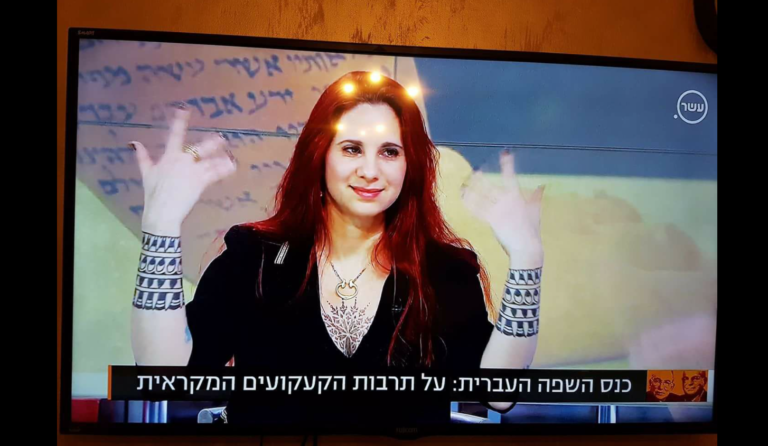
Tattoo artist Yasmin Bergner will present at the Hebrew Language Conference the spiritual and cultural aspects of tattoos from the dawn of humanity to the present day.